


05/11/2026

Share:
05/11/2026
Share:
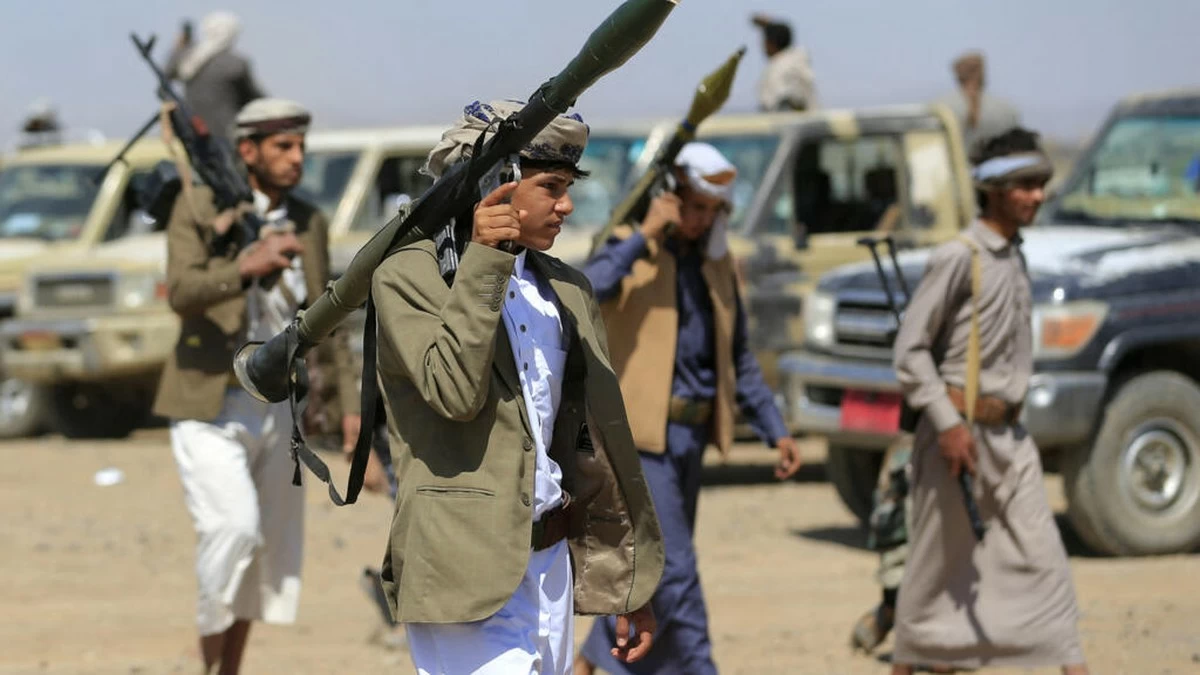

DUBAI, Nov 5 : Yemen's Iran-backed Houthi rebels have demanded $51 billion from Saudi Arabia in exchange for ending hostilities, while also seeking official recognition as Yemen's rulers, The Wall Street Journal (WSJ) reported on Thursday, citing people familiar with the discussions.
The extraordinary financial demand reportedly emerged after Saudi Arabia approached the Houthis to explore the possibility of negotiating an end to the escalating conflict.
According to people briefed on the discussions, the Houthis said the $51 billion would compensate for years of Saudi military strikes and a prolonged blockade imposed during the Yemen war.
In addition to the financial compensation, the group demanded that Riyadh formally recognise it as Yemen's ruling authority. Such recognition would effectively leave Saudi Arabia with an Iran-backed adversary controlling its southern neighbour.
The demands underline the enormous difficulties facing Riyadh as it attempts to contain the Houthi threat while avoiding another prolonged military confrontation.
Houthi attacks increase pressure on Saudi Arabia
The discussions reportedly followed renewed Houthi attacks on Saudi oil tankers in the Red Sea and the group's seizure of strategically important territory overlooking the Bab al-Mandeb Strait, one of the world's most important maritime chokepoints.
The fighting intensified again during the summer, with Houthi attacks targeting Saudi oil facilities and airports.
The rebels have also expanded their territorial advances towards Aden, the port city serving as the seat of Yemen's internationally recognised government. According to the WSJ, Houthi forces have moved to within approximately 50 miles of the city.
The latest offensive has increased pressure on Saudi Arabia, which has been supporting Yemen's internationally recognised government against the Houthi movement.
Saudi Arabia faces difficult military and diplomatic choices
Saudi Crown Prince Mohammed bin Salman is reportedly reluctant to enter comprehensive negotiations without securing military gains that would strengthen Riyadh's position at the negotiating table.
However, deploying additional Saudi ground forces into Yemen could result in heavy casualties and provoke domestic opposition, according to Saudi officials cited by the newspaper.
The kingdom has relied on airstrikes to weaken Houthi military capabilities, but analysts question whether air power alone can reverse the group's territorial advances.
The Houthis' financial demand also raises concerns about the possibility of future financial and political concessions being sought through military pressure.
Maged Al-Madhaji, co-founder of the Sana'a Center for Strategic Studies, told the WSJ that the bigger concern for Saudi Arabia was establishing a precedent under which the Houthis could escalate military operations whenever they wanted additional concessions or money.
Saudi Arabia seeks regional support
Riyadh has also been exploring greater security cooperation with regional partners as Houthi attacks continue to threaten Saudi territory and regional shipping.
Saudi Arabia has sought assistance through its defence agreement with Türkiye and Pakistan, while Egypt has approved defensive military support.
Pakistan has resisted joining offensive operations inside Yemen, while the United States has so far declined to provide direct military support against the Houthis.
The United Arab Emirates, previously a major partner in the Saudi-led campaign against the Houthis, withdrew from the anti-Houthi campaign last December following disagreements with Riyadh.
Meanwhile, the Houthis continue to pose a threat to commercial shipping through the Red Sea and the Bab al-Mandeb Strait, a critical route connecting the Red Sea with the Gulf of Aden and the wider Indian Ocean.
Iran factor raises wider Gulf security concerns
The Houthi movement's relationship with Iran adds another dimension to Saudi Arabia's security concerns.
Security analysts warn that renewed confrontation between Washington and Tehran could encourage Iran to increase its support for the Houthis and potentially intensify attacks across the region.
Saudi Arabia must also maintain its air defences against threats from Iran, Iraqi Shiite militias and the Houthis, placing additional pressure on its military resources.
The $51 billion demand and the insistence on political recognition highlight the widening gap between what the Houthis are seeking and what Saudi Arabia may be prepared to accept.
For Riyadh, any settlement would have to address not only the financial and military costs of the Yemen conflict but also the long-term security implications of recognising an Iran-backed movement as the authority governing its southern neighbour.
The reported discussions have not produced an announced agreement, and Saudi Arabia has not publicly accepted the Houthi demands.