

23/11/2026

Share:
23/11/2026
Share:
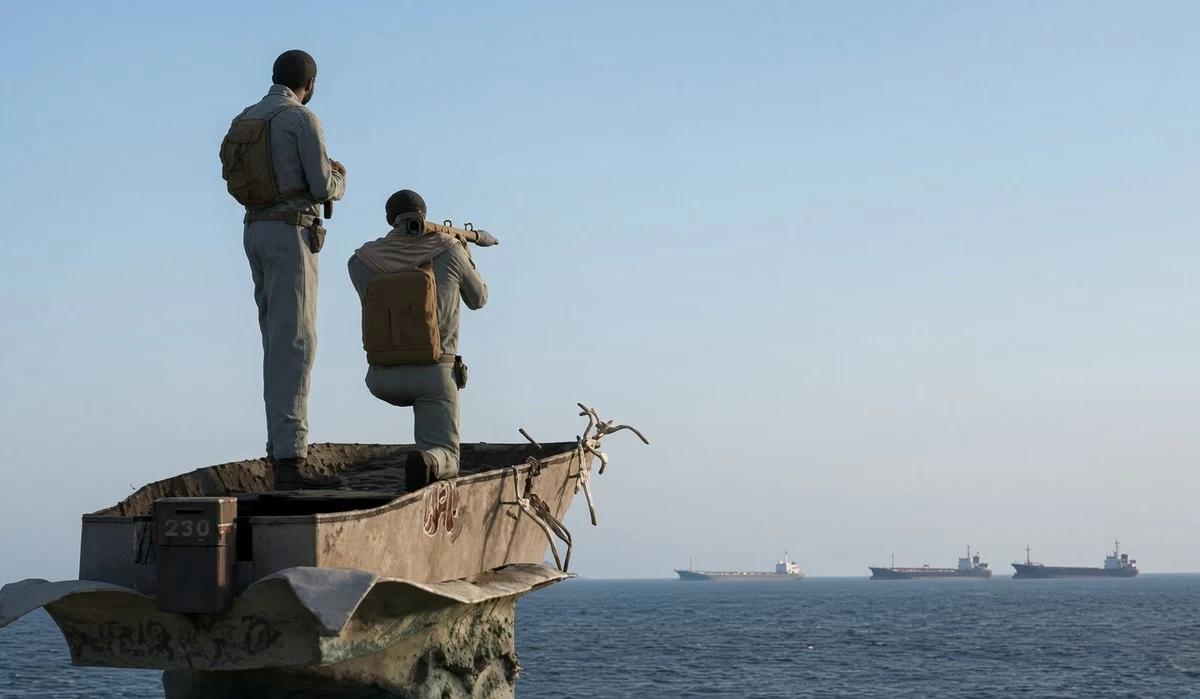

TEHRAN, Nov 23: Iran is striking an average of around 10 tankers a day that it considers to be violating its restrictions in the Strait of Hormuz, an Iranian lawmaker claimed on Monday, as attacks on commercial shipping in the strategic waterway continue to escalate.
Abolfazl Aboutorabi, a member of the Iranian Parliament's Councils Committee, said oil tanker traffic through the southern route of the Strait of Hormuz had declined significantly.
He warned that the strategic waterway would not return to its prewar conditions, adding that Iran intended to demonstrate its control over the strait more forcefully.
The remarks come amid a growing number of attacks on commercial vessels across the Strait of Hormuz, the Arabian Gulf and the Gulf of Oman.
According to the UK Maritime Trade Operations (UKMTO), reported maritime incidents reached 39 in October, the highest monthly total since the conflict began in late February. The figure compares with 23 incidents in September, 16 in August and seven in June.
UKMTO's November 20 assessment recorded 169 maritime events since the conflict began on February 28, including 148 reports of vessel damage, 13 near-miss incidents and 90 injuries or fatalities.
The agency cautioned that its figures reflect incidents reported and verified through available sources, meaning the actual number of attacks could be higher.
Shipping companies have also become increasingly reluctant to report attacks, while some vessels have switched off their tracking systems to avoid detection, making it difficult to establish the full scale of maritime incidents.
The disruption has severely affected commercial traffic through the Strait of Hormuz, a critical international shipping route that carried approximately one-fifth of global oil supplies before the conflict.
Iran's efforts to restrict shipping, combined with the US naval blockade of Iranian ports, have further complicated commercial navigation and oil exports across the region.
The continuing disruption has raised concerns over global energy supplies, shipping insurance costs and the security of vessels operating in waters surrounding the Gulf.
The latest Iranian statements indicate that Tehran intends to maintain its restrictions on maritime traffic, raising the prospect of prolonged uncertainty for international shipping and energy markets.