



19/08/2026

Share:
19/08/2026
Share:
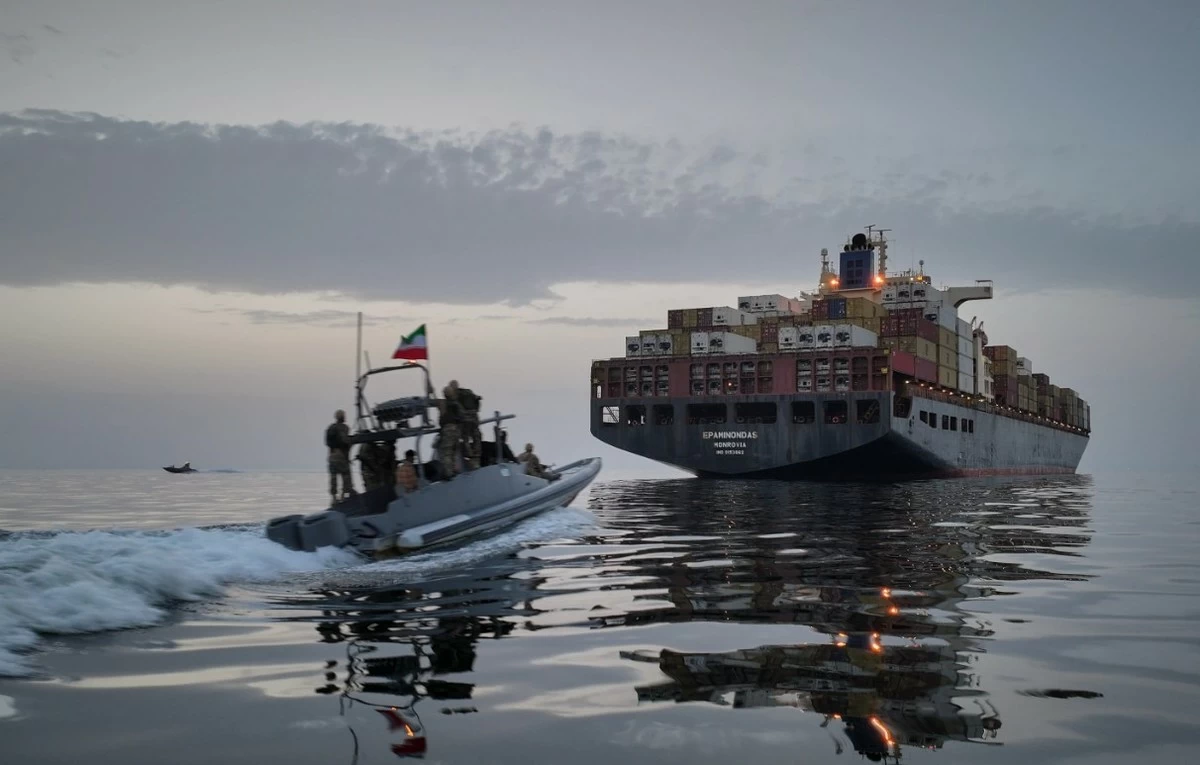
In this photo released by Tasnim News Agency, a Revolutionary Guard Navy (IRGC) speedboat approaches the cargo ship Epaminondas during what state media described as the seizure of one of two vessels accused of violations in the Strait of Hormuz, April 21, 2026. (Meysam Mirzadeh/Tasnim News Agency via AP, File)

TEHRAN, Aug 19: Iran’s parliament is considering a proposed “Strait of Hormuz Security” bill that would place the management, monitoring and inspection of the strategic waterway under the country’s Armed Forces General Staff, Iranian lawmaker Ebrahim Rezaei said Wednesday.
Rezaei, a member of parliament’s National Security and Foreign Policy Committee, said the proposed legislation would prohibit Israeli vessels from passing through the strait, as well as ships considered to be involved in espionage or “hostile” activities.
Under the bill, Iran’s Armed Forces General Staff would also have authority to determine tolls and service fees for vessels transiting the Strait of Hormuz. Lawmakers are considering a mechanism that could require such payments to be made in Iranian rials, Rezaei said.
The proposed legislation would further allow Iran to increase tariffs or seize assets belonging to a government it considers “hostile” if Iranian interests were harmed anywhere in the world, according to the lawmaker.
The Strait of Hormuz, one of the world’s most important energy transit routes, connects the Gulf with the Gulf of Oman and the wider Arabian Sea. Any measures affecting commercial shipping through the waterway could have significant implications for international maritime traffic and global energy markets.
The proposal comes amid heightened tensions surrounding the strait and ongoing disputes over maritime security and freedom of navigation in the region.
US military presence brings insecurity to the region
Iran’s foreign ministry spokesman said on Wednesday that countries in the region had come to view the US military presence in West Asia as a source of insecurity.
Esmail Baghaei said Washington’s allies had also concluded that the United States was “unreliable.”
He argued that descriptions of Iran as a “supporter of terrorism, human rights violator, and religious dictatorship” had been used to justify sanctions and war against the country.