

19/10/2026

Share:
19/10/2026
Share:
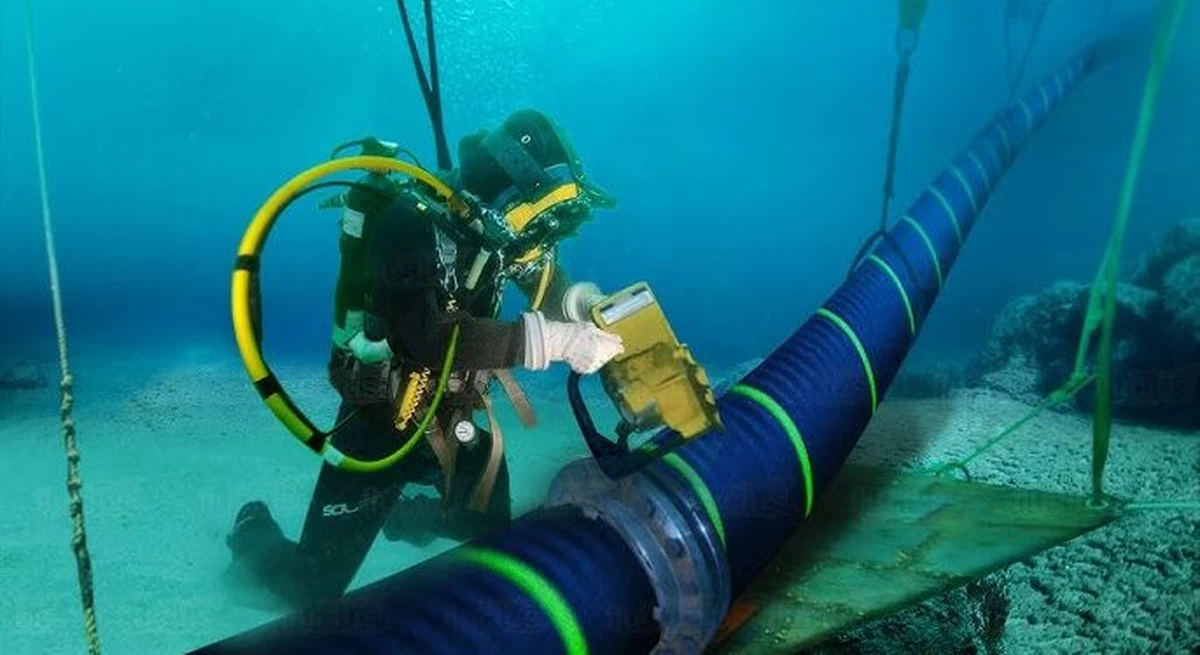

TEHRAN, Oct 19: Iranian hardliners have backed threats by senior security official Mohsen Rezaei to target data centres, undersea internet cables and artificial intelligence (AI) facilities across the Persian Gulf if military hostilities with the United States and Israel resume.
Rezaei, secretary of Iran’s Supreme National Security Council, warned in an interview with state-owned Press TV that US-linked technology infrastructure in the region could become a target in a renewed conflict. He specifically referred to assets in the United Arab Emirates and around the Strait of Hormuz, saying their value exceeded $2 trillion, although he did not provide a breakdown of the estimate.
The warning expands Tehran’s stated potential targets beyond conventional military and energy installations to include digital infrastructure that supports cloud computing, financial services, AI development and communications across the Gulf.
“Every miscalculation by the enemy against Iran has resulted in a heavy defeat for them; the next mistake will bring new fronts and greater surprises,” Rezaei wrote on X on Monday.
Hardliners call for pressure on US technology interests
Tasnim News Agency, which is affiliated with Iran’s Islamic Revolutionary Guard Corps (IRGC), defended the prospect of targeting AI infrastructure in an article titled “Why Is Artificial Intelligence on the Target List?”
The article argued that attacks on AI facilities could undermine US technological competition with China, discourage investment and place additional pressure on American financial markets.
Hossein Shariatmadari, editor-in-chief of the hardline Kayhan newspaper and the Supreme Leader’s representative at the publication, also endorsed Rezaei’s warning in an article titled “Well Done, Brother Mohsen!”
Shariatmadari called for using fibre-optic cables crossing the Persian Gulf and the Strait of Hormuz as leverage against Washington and its allies. He claimed that damage to major international cable systems in the region could disrupt communications used for commercial, banking, military and AI-related activities.
Kayhan also criticised Iranian political factions it described as Western-oriented, accusing them of applying double standards to internet access. The newspaper argued that political groups that had previously demanded reliable and unrestricted internet access might oppose using digital infrastructure as a strategic instrument against the United States.
Iranian officials argue attacks could disrupt military operations
Mohsen Zanganeh, a member of the Iranian parliament’s faction focused on knowledge-based companies and technology, supported Rezaei’s warning in an interview with ANA news agency.
Zanganeh argued that major technology companies, many of them American, operate data centres and related infrastructure in countries along the southern coast of the Persian Gulf.
He said attacks could damage equipment, cloud networks and processing systems, potentially disrupting US military operations and increasing the economic cost of a renewed conflict.
However, the consequences could extend well beyond American interests because Gulf countries host both US military facilities and commercial technology infrastructure.
WANA News characterised Rezaei’s remarks as an attempt to deter military action by raising the potential costs of a renewed war. It cautioned that declaring readiness to strike infrastructure did not necessarily mean an operational decision had been made.
Analysts warn of wider regional consequences
Political analyst Ruhollah Rahimpour told Iran International that Iran could potentially damage data centres and communications infrastructure in the Persian Gulf, but argued that the effects would fall primarily on regional networks rather than bring down the global internet.
He said such attacks could increase the costs of war for other countries but could also widen the conflict and impose additional security and economic burdens on Iran itself.
Digital infrastructure has become an increasingly significant security concern in the region because data centres depend on uninterrupted electricity, cooling systems and telecommunications, while submarine cables carry large volumes of international internet traffic.
Analysts have warned that even limited damage to key facilities or cable routes could disrupt services across multiple countries. However, the extent of any disruption would depend on the location of the damage, available backup systems and the capacity of alternative routes.
Threats emerge amid stalled US-Iran diplomacy
Rezaei’s warning came as Tehran and Washington continued to differ over diplomatic proposals and arrangements concerning the Strait of Hormuz.
In a separate post on X on Sunday, Rezaei said the United States had accepted some of Iran’s seven conditions but described Washington’s response as insufficient.
“Iran’s diplomacy has changed, and we will not return to the previous situation,” he wrote.
Mostafa Najafi, a commentator supportive of Rezaei, interpreted the statement as an indication that negotiations remained far from an agreement and that tensions could increase.
The threats also drew criticism on Iranian social media. Some users questioned the wisdom of publicly identifying potential targets, warning that attacks on infrastructure in neighbouring Arab countries could unite regional governments against Tehran.
Others cautioned that threats unsupported by the ability to achieve their stated objectives could backfire, increasing the risk of retaliation and further isolation.
The statements underscore the growing role of digital infrastructure in the regional confrontation, with data centres, AI facilities and international communications networks increasingly being discussed alongside military installations and energy assets as potential pressure points in any renewed conflict.