


28/10/2026

Share:
28/10/2026
Share:
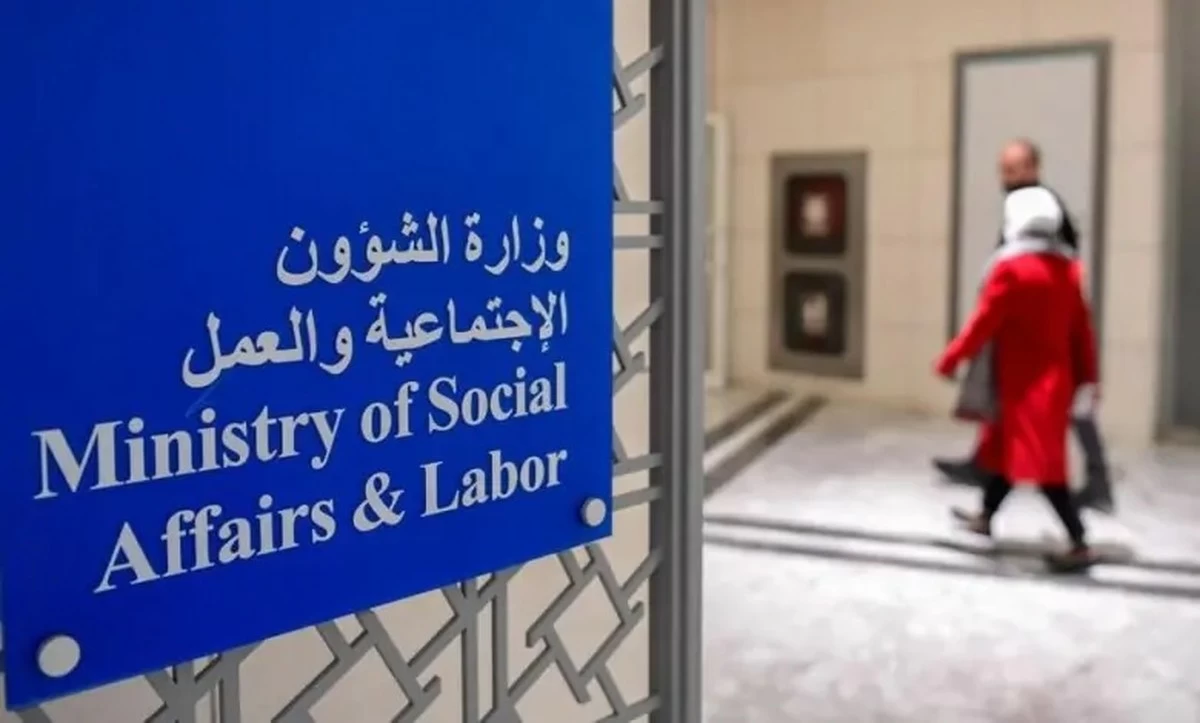

Sources said the ministry intend to achieve all the objectives in its 2035 strategy, which focuses on seven essential areas as follows: adoption of best practices to develop sectors and the workforce while providing the best services as per the standards, promotion of legislative and advisory initiatives within a strong legal framework, reinforcement of collaboration with civil society organizations to support youth and volunteer-led projects in social welfare, emphasizing the importance of civil society organizations and their contributions to a unified society, empowerment of individuals and families through training and qualifications to ease their transition into the labor market, digitalization of sectors and services to promote sustainable governance, increasing joint initiatives and improving food security.
Sources said these objectives will change the approach from a traditional model based on consumption-oriented welfare to empowerment and active production. Sources added that such a transition will ensure the long-term social and financial well-being of the state, while easing the burdens on the public budget by transforming dependent groups into productive and economically independent individuals. Sources also indicated that the full digitization and automation of services are not just about simplifying procedures, as they are considered a qualitative leap toward instilling transparency, fairness and combating administrative corruption, while accelerating the fulfillment of citizens’ needs in accordance with the requirements of sustainable governance