


15/09/2026

Share:
15/09/2026
Share:
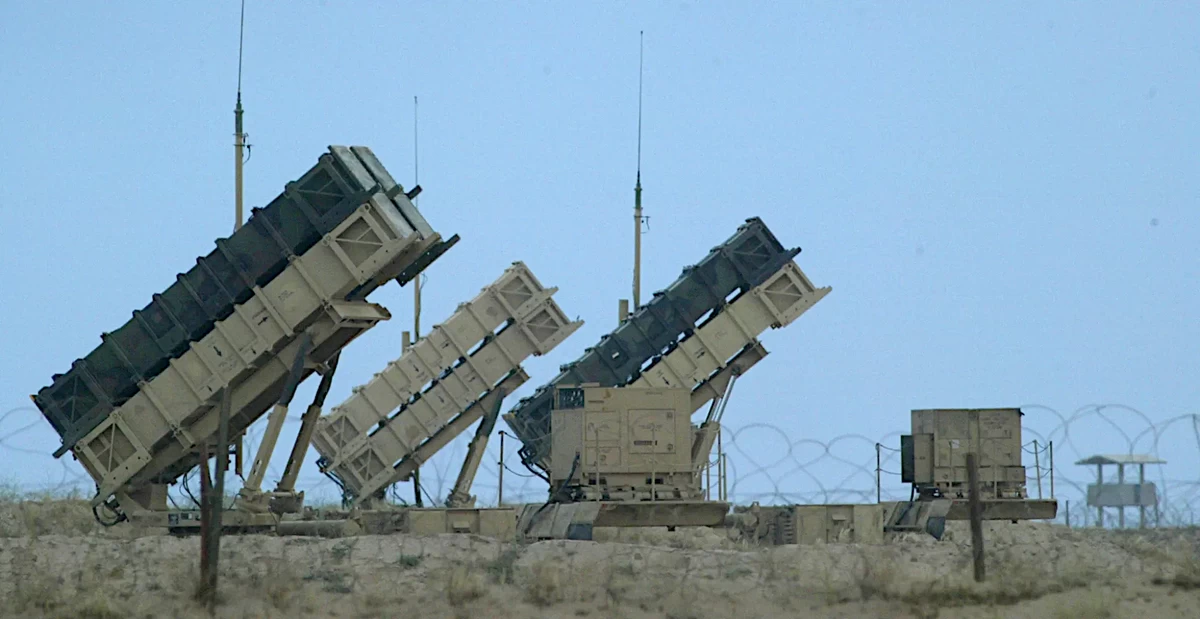

WASHINGTON, Sep 15: The four-month US war against Iran exposed “strategic inventory shortfalls” in American munitions and bottlenecks in the defense industrial base that could hinder efforts to replenish weapons stocks, according to a Pentagon inspector general report.
The report, the first by the Lead Inspector General overseeing Operation Epic Fury, examined the period from April 1 to June 30. It cited the Office of the Under Secretary of War for Acquisition and Sustainment as saying that munitions expenditure during the campaign had resulted in strategic inventory shortfalls and revealed industrial base bottlenecks affecting weapons resupply.
The Pentagon is working to speed up procurement and reduce production lead times while stockpiling critical materials, components and selected munitions to respond more quickly to future contingencies, the report said.
However, the US defense industrial base requires “significant lead time” to expand production capacity. The report identified persistent bottlenecks in the production of solid rocket motors, the availability of high-grade explosives and propellants, and the recruitment of skilled manufacturing workers.
The findings come despite repeated denials by US President Donald Trump and Defense Secretary Pete Hegseth of reports that depleted munitions stocks had constrained US military options during the conflict.
Trump said last month that the United States had “massive amounts” of ammunition and that American defense companies were building the “largest number of plants and factories” in the country’s history.
The Pentagon estimated that the Iran war had cost $33.4 billion as of June 29, including $22.3 billion for munitions expended and $3.7 billion in equipment losses based on replacement costs. The estimate did not include infrastructure repair costs.
Hegseth told Congress on July 21 that without additional funding, the Pentagon could face critical shortfalls affecting its ability to pay service members, replenish some equipment and munitions, and sustain global military operations.
The White House submitted an $87.6 billion emergency supplemental funding request to Congress on June 24, including $67.1 billion for the Pentagon. About $21 billion was specifically earmarked for munitions.
According to the report, seven US service members were killed in action during the US-Israeli war against Iran and another seven died in non-hostile incidents between February 28 and June 30. A total of 417 service members were wounded during the period.
The report said four additional US service members were killed in action in July.