


12/11/2026

Share:
12/11/2026
Share:

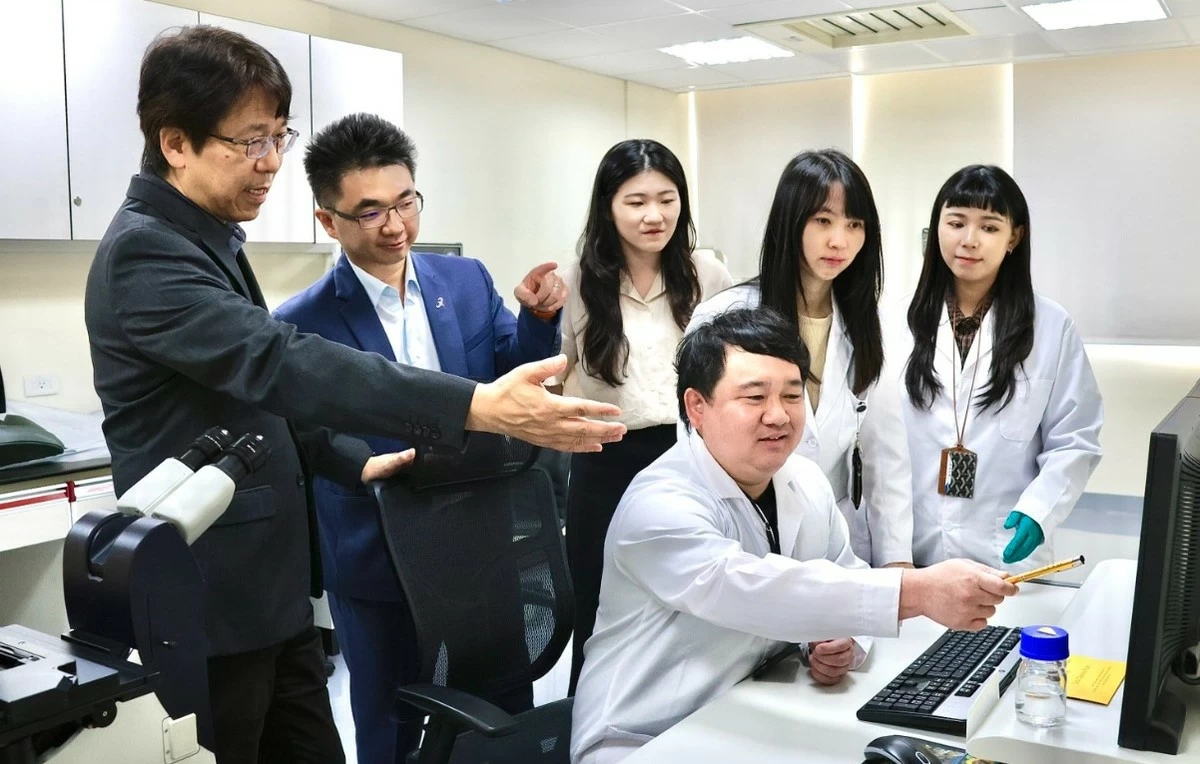
TAIPEI, Nov 12: Researchers at Taiwan’s National Yang Ming Chiao Tung University have developed a nanodiamond-based approach that could help scientists track targeted cancer drugs inside cells and potentially support new cancer treatment strategies.
The university said its researchers used fluorescent nanodiamonds, carbon-based particles that emit a long-lasting fluorescent signal, allowing scientists to follow the movement of drugs after they enter cells.
The findings were published in the scientific journal Advanced Healthcare Materials.
The research was led by Professor Chao Jui-i of NYCU’s Department of Biological Science and Technology in collaboration with LuminX Biotech. The team attached fluorescent nanodiamonds to a targeted cancer drug, enabling researchers to observe where the drug traveled within cells.
According to the university, tracking this journey could provide important insights into how targeted therapies work inside cancer cells and may also help reduce the need for repeated animal experiments.
Professor Chao compared the inside of a cell to a city, with different pathways eventually leading to a processing center known as the lysosome, where certain materials are broken down.
The researchers also found that nanodiamonds carrying an antibody could help direct PD-L1 — a protein associated with cancer cells’ ability to evade the immune system — toward lysosomes for degradation.
According to the study, this approach suppressed tumor growth, highlighting the potential of fluorescent nanodiamonds as both a drug-tracking tool and a possible component of future targeted cancer therapies.
The researchers said the technology could open new avenues for studying how cancer drugs behave inside cells and improving the precision of future treatments.
Source: Taiwan News / National Yang Ming Chiao Tung University